How Much Does Hardwood Floor Installation Cost in Orlando? (2026 Guide)
· By Marcos De Souza
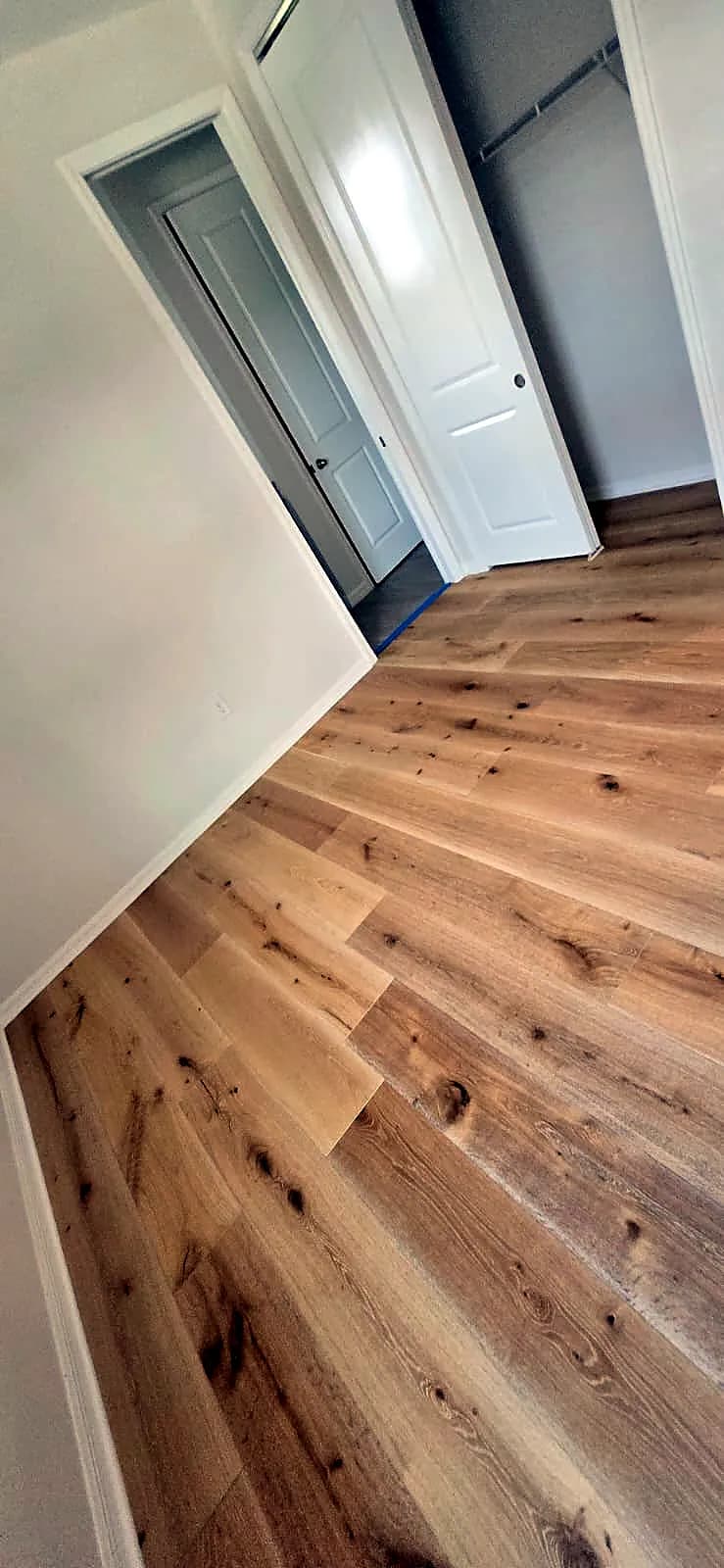
If you are pricing out a hardwood floor installation around Orlando, the first question is almost always the same: what will it actually cost? The honest answer is that it depends on more than just square footage. Whether you choose solid or engineered hardwood, what is currently under your feet, and even the type of foundation your home sits on all move the number up or down.
This guide walks through the ranges many Central Florida homeowners typically see, why concrete slab foundations and humidity change the installation process here more than in other parts of the country, and what actually drives a quote higher or lower. Treat every number below as a general market range, not a quote. The only way to know your real price is an in-person estimate.
Typical hardwood installation costs in Central Florida
As a rough guide, many Central Florida homeowners see roughly $6 to $12 per square foot installed for solid hardwood, and roughly $5 to $10 per square foot for engineered hardwood, material and labor combined. A single bedroom tends to land on the lower end of the range, while open living areas, hallways, and stairs push the total higher because of the extra prep and cutting involved.
These figures move depending on the plank width, wood species, and the condition of what is already on the floor. A home that only needs the hardwood laid over a clean, flat subfloor will typically cost less than one that needs old flooring removed and the slab leveled first.
Solid hardwood vs engineered hardwood: how the price differs
Solid hardwood is a single piece of wood through and through, usually nailed or stapled down. Engineered hardwood has a real hardwood top layer bonded over several layers of plywood, which makes it more stable and typically a bit less expensive to install, since it can often be glued or floated rather than nailed.
In Central Florida specifically, engineered hardwood is frequently the more practical choice because it handles humidity swings and concrete slab foundations better than solid wood does. Solid hardwood still has its place, especially over an existing wood subfloor, but the installation method and site prep required are usually more involved, which typically shows up in the price.
Why concrete slabs change the installation (and the price)
Most homes built across greater Orlando, including newer construction in areas like Clermont and Winter Garden, sit on a concrete slab rather than a raised wood foundation. Solid hardwood generally cannot be nailed directly into concrete, so the crew either installs a plywood subfloor first, or uses a glue-down or floating engineered product designed for slab installation.
That extra layer of work, the plywood, the adhesive, or the floating underlayment, is one of the biggest reasons hardwood installation pricing varies so much from house to house. A home with an existing wood subfloor from a prior installation can sometimes skip this step entirely, which typically brings the cost down.
Moisture barriers: a real cost factor in Florida's climate
Concrete slabs naturally hold and release moisture, and Central Florida's humidity and summer storms only add to that. Installing hardwood or engineered wood without a proper moisture or vapor barrier between the slab and the new floor is one of the most common ways a flooring job fails early, with boards cupping, buckling, or separating over time.
A moisture barrier adds a modest amount to the overall quote, but it is typically considered a non-negotiable step over a concrete slab in this climate rather than an optional upgrade. Skipping it to save money upfront tends to cost more later.
Stairs: why they add to the total
Stairs are priced differently than flat flooring, and for good reason. Each tread, riser, and piece of nosing has to be cut, fitted, and finished individually, and the work often happens around balusters and tight corners that flat rooms do not have.
Because of that extra labor, hardwood stairs typically cost noticeably more per step than the same wood would cost per square foot in an open room. If your project includes a staircase, it is worth asking for that portion to be broken out separately on the estimate so you can see exactly what it adds to the total.
Removing old flooring and prepping the subfloor
Many hardwood projects start with something else coming out first, whether that is old carpet, worn vinyl, or outdated tile. Removing that existing flooring, hauling it away, and prepping what is underneath is typically its own line item on a quote, separate from the cost of the new hardwood itself.
On a concrete slab, prep often also means using a self-leveling compound to smooth out low spots or an uneven surface before anything new goes down. Skipping this step can leave the finished floor feeling uneven or cause problems with how well the planks lock together, so it is usually money well spent rather than an avoidable extra.
Other factors that move the price up or down
Beyond slab prep, moisture barriers, and stairs, a handful of other details shape the final number. Wider planks and detailed patterns like herringbone take longer to install than standard straight-laid boards. A home with a lot of door thresholds, closets, and tight corners takes more time than one big open room of the same square footage.
Removing and reinstalling baseboards to get a clean finished edge is another common add-on, as is furniture that needs to be moved out of the way before work can start. None of these are deal breakers, they just affect how the final estimate is built.
Getting an accurate estimate for your home
Because so much of the price depends on what is actually happening under your current flooring and how your home is built, the only reliable way to get a real number is an in-person estimate. A walkthrough lets the crew measure the actual square footage, check the subfloor and moisture conditions, and see exactly what removal or prep work is involved before quoting anything.
If you are comparing hardwood against other options like engineered wood, luxury vinyl plank, or laminate, it also helps to request an estimate for more than one, so you can see how the real numbers for your specific home stack up side by side.
Frequently asked questions
- Can solid hardwood flooring be installed directly on a concrete slab?
- Not usually. Solid hardwood is typically nailed down, which does not work directly on concrete, so most slab foundations need a plywood subfloor installed first, or a glue-down or floating engineered product designed for slab installation instead.
- Why does Florida's humidity matter for a hardwood installation?
- Humidity and moisture coming up through a concrete slab can cause wood flooring to cup, buckle, or separate if it is not protected. A proper moisture barrier between the slab and the new floor is typically considered essential in this climate, not an optional add-on.
- Is engineered hardwood less expensive than solid hardwood?
- It often is, since engineered hardwood can usually be glued or floated rather than nailed, which can simplify installation over a concrete slab. The exact difference depends on the specific products being compared and the condition of your subfloor.
- Does removing old carpet or flooring add to the total cost?
- Yes, removal and haul-away of existing flooring is typically its own line item, separate from the cost of installing the new hardwood. Subfloor prep, like leveling an uneven concrete slab, is usually priced separately as well.
- How much more do stairs typically cost compared to flat flooring?
- Stairs are priced per step rather than per square foot, since each tread and riser takes individual cutting and fitting. As a result, a staircase typically costs more per step than the same wood would cost to install in an open room.
Found this helpful? Make us a preferred source on Google.
Ready for an exact price?
Tell us about your floors or the space you need cleaned and we will get back to you with an estimate.