MS Floors & Cleaning logo

Flooring Installation Greater Orlando, FL

Solid and Engineered Hardwood Floor Installation in Orlando

From subfloor prep to the last baseboard, hardwood installed to match how your home is actually built.

  • Fully insured (liability)
  • Floors and cleaning, one team

Or call (407) 928-5710

Request an Estimate

Instant confirmation, no spam. We only use your info to send your estimate.

  • Fully insured (liability)

The short answer

What does hardwood floor installation include?

Hardwood floor installation in Orlando covers both solid and engineered wood, matched to your subfloor. On a concrete slab, engineered hardwood is typically the right fit; solid hardwood needs an existing wood subfloor. The work includes moisture testing, leveling, acclimation, installation, transitions and baseboards. Request an estimate to review your home and materials.

Most homes in the Orlando area, including Kissimmee, Winter Garden, Clermont and Apopka, are built slab on grade, which changes what kind of hardwood floor actually works and how it gets installed. A hardwood floor installation here isn't a one size fits all job: the subfloor, the room, and the humidity all play a part in whether solid or engineered hardwood makes sense, and how it needs to be prepped and set.

MS Floors & Cleaning handles hardwood installation from the first walkthrough through the final baseboard, covering subfloor inspection, moisture testing on concrete slabs, self-leveling compound where the slab needs it, acclimation of the material, and the installation itself, whether that's nail-down, glue-down or a floating system.

Older homes with a raised wood subfloor, common in areas like Winter Park and College Park, open the door to solid hardwood nailed directly down. Newer construction on a concrete slab, like much of Winter Garden, Horizon West and Clermont, generally calls for engineered hardwood installed over a proper moisture barrier. Either way, the goal is the same: a floor that's installed correctly for the structure underneath it.

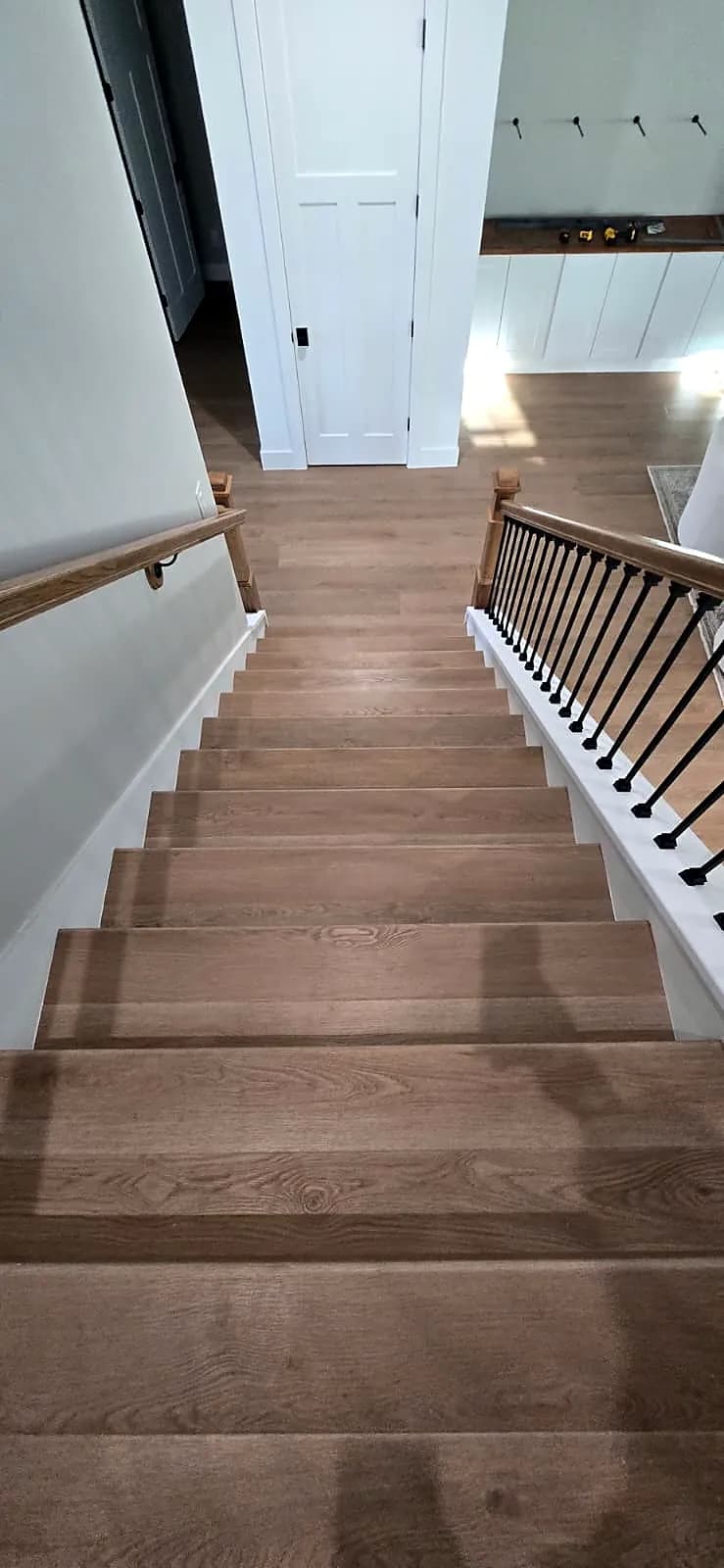
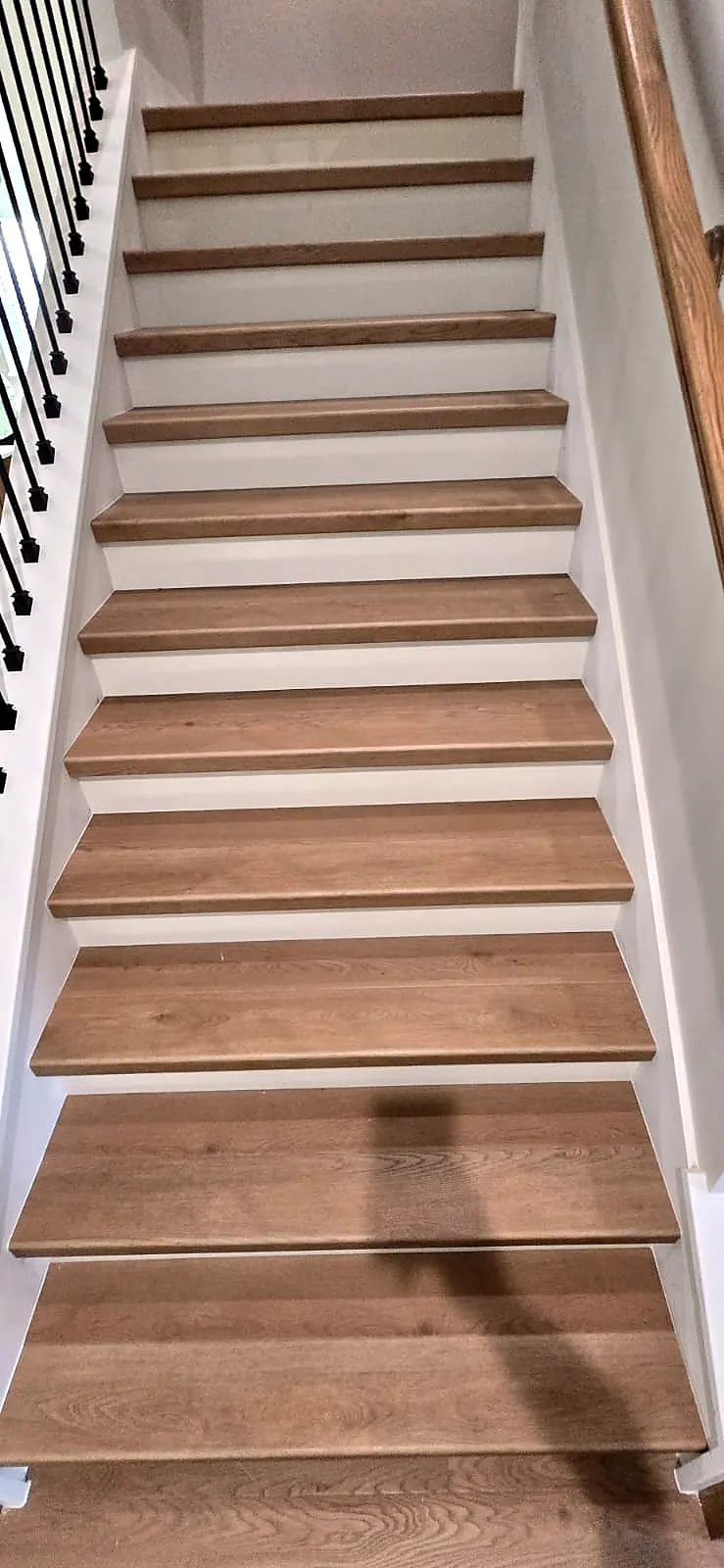
Staircase leading up to a hallway with oak-look plank flooring

Real work from the MS Floors & Cleaning team.

What is included

Hardwood Floor Installation, start to finish

Subfloor and slab inspection

Checking whether the subfloor is wood or concrete, and testing a concrete slab for moisture before any material goes down.

Self-leveling compound where needed

Low spots and uneven sections of a concrete slab get leveled with self-leveling compound so the finished floor sits flat.

Material acclimation

Hardwood boards are brought into the home ahead of installation to adjust to the room's temperature and humidity before they're laid.

Moisture barrier and underlayment

A vapor barrier and the right underlayment go down first on slab installations, matched to whether the hardwood is glued or floated.

Installation method matched to the subfloor

Nail-down for solid hardwood over wood subfloors, or glue-down and floating methods for engineered hardwood over concrete.

Transitions between rooms and flooring types

Thresholds and transition strips where the hardwood meets tile, carpet or another room, so height changes are handled cleanly.

New baseboards

Baseboards are refitted to the finished floor height once the hardwood is down, for a clean edge along every wall.

Flooring Installation

Solid and engineered hardwood installed and finished by the same team handling subfloor prep through baseboards.

How it works

How our hardwood floor installation works

01

Walkthrough and material fit

The subfloor, moisture conditions and room layout are reviewed to confirm whether solid or engineered hardwood is the right fit for that space.

02

Prep and level

The existing floor covering is removed, the slab or subfloor is tested and leveled where needed, and a moisture barrier goes down on concrete.

03

Acclimate and install

Boards acclimate to the home's conditions, then are installed by nail-down, glue-down or floating method depending on the subfloor.

04

Transitions, baseboards and clean-up

Transition strips, thresholds and new baseboards finish the job, and the work area is cleared of debris and dust.

Solid vs. engineered hardwood on a Florida slab

Solid hardwood is milled from a single piece of wood and needs to be nailed down into a wood subfloor, which means it's a fit for raised, wood-framed floors rather than a concrete slab. Engineered hardwood has a hardwood veneer over a layered core, which makes it more dimensionally stable and lets it be glued down or floated directly over concrete with the right moisture barrier.

Since most homes across Orlando, Kissimmee, Winter Garden, Clermont, Apopka and Ocoee sit on a concrete slab, engineered hardwood tends to be the practical choice for a main-level install. Where a home has an upper floor or an older wood subfloor, like many properties in Winter Park and College Park, solid hardwood nailed-down becomes an option again.

Neither option is automatically "better": the subfloor underneath decides what's actually installable, and that gets confirmed during the walkthrough before any material is ordered.

Humidity, moisture testing and acclimation

Central Florida's humidity doesn't stay the same from month to month, with wetter summers and drier stretches through the year, and wood floors move with that change. That's why boards acclimate inside the home, at normal living conditions, before installation rather than going down straight out of the box.

On a concrete slab, moisture testing happens before any adhesive or underlayment is applied. A slab that's holding more moisture than expected changes the approach, whether that means additional prep, a different underlayment, or more time before installation starts.

These steps take extra time up front, but they're what keep a hardwood floor performing well through a Central Florida summer instead of showing gaps, cupping or lifting later on.

Stairs, transitions and the last details

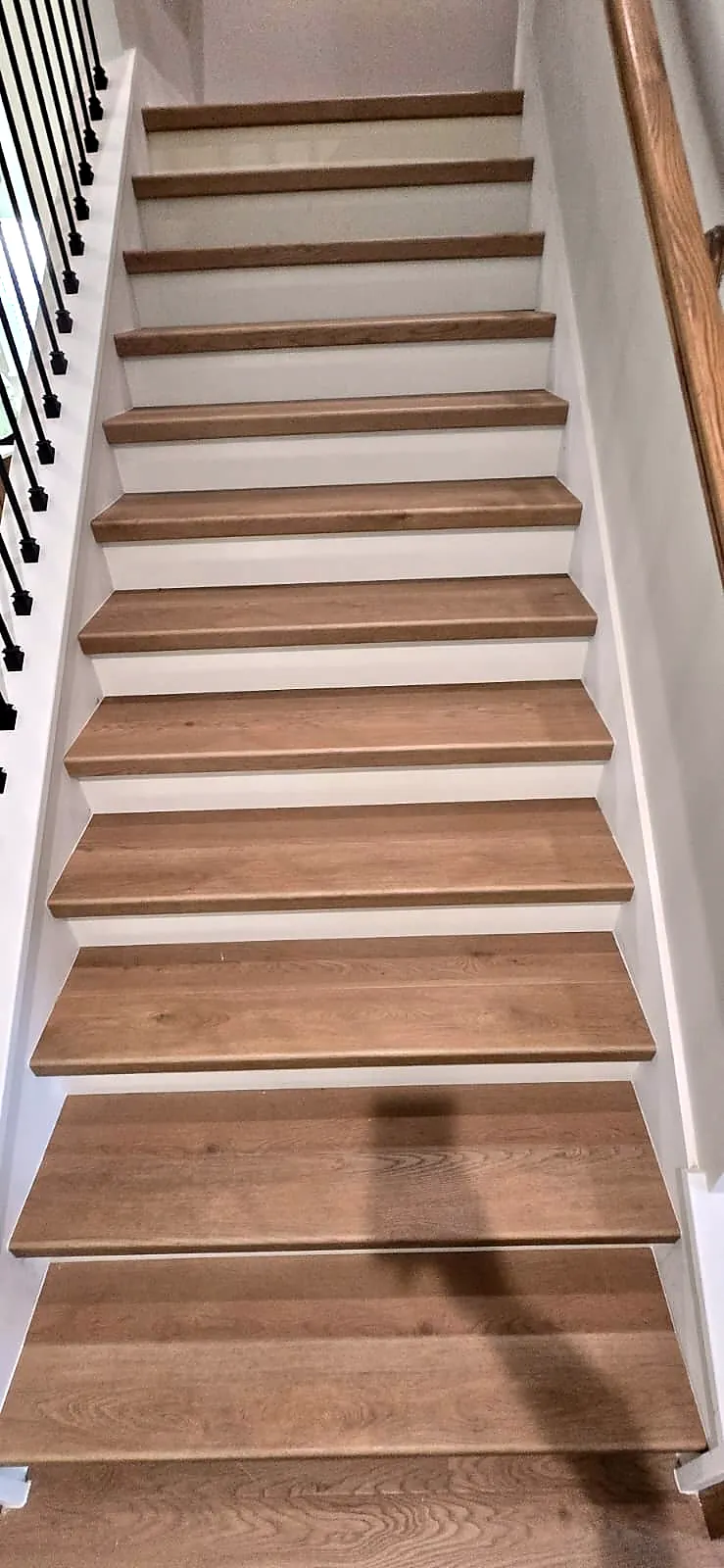
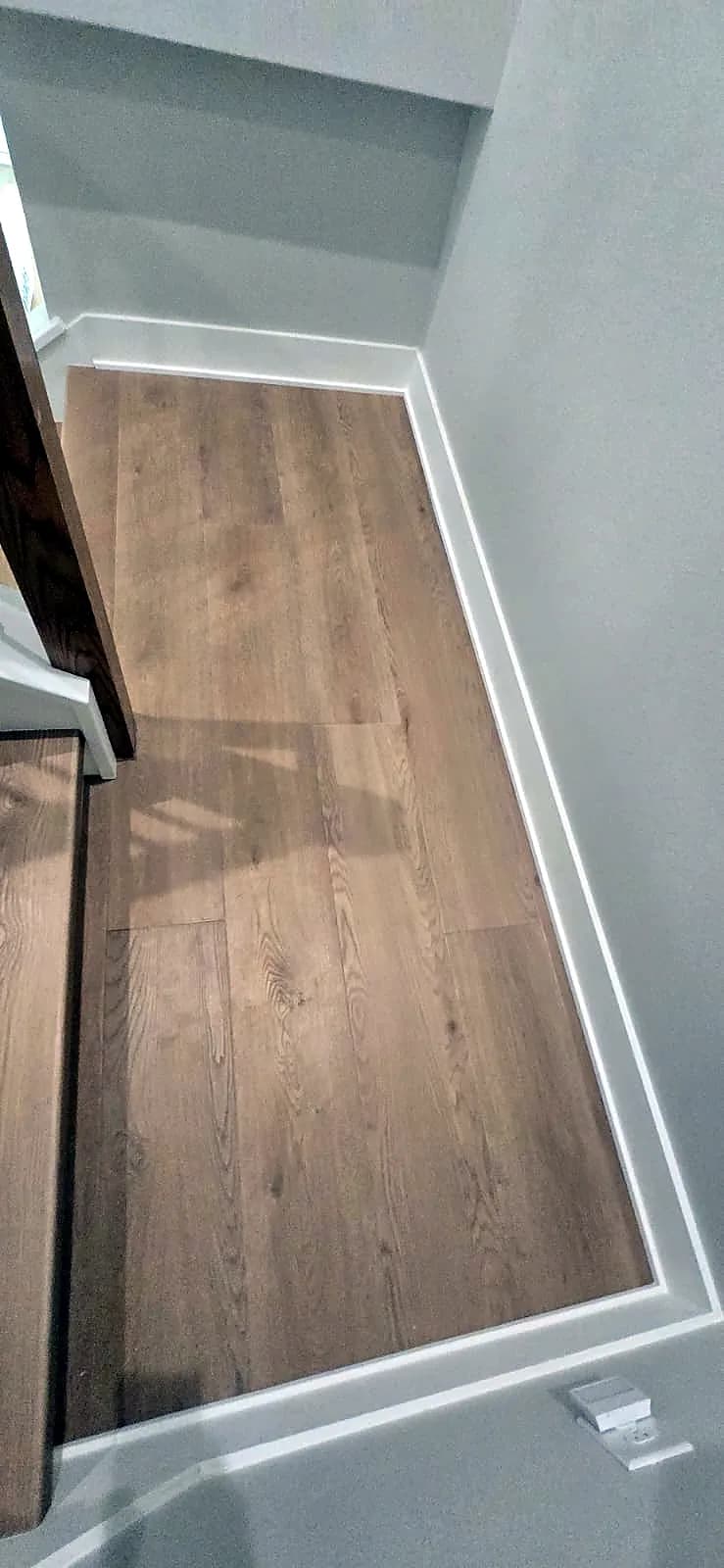
Stairs bring their own set of decisions: tread depth, nosing, and how the risers meet the treads all have to line up with the rest of the floor. Upstairs hallways and landings that connect to a staircase need the same board direction and finish carried through so the transition reads as one continuous floor.

Where hardwood meets another material, tile in an entryway or carpet in a bedroom, a transition strip or threshold handles the height difference and gives both floors a clean edge to end on. Once the flooring itself is finished, baseboards go back up against the new floor height, closing out the room.

Staircase viewed from below with oak-look stair treads and white risers
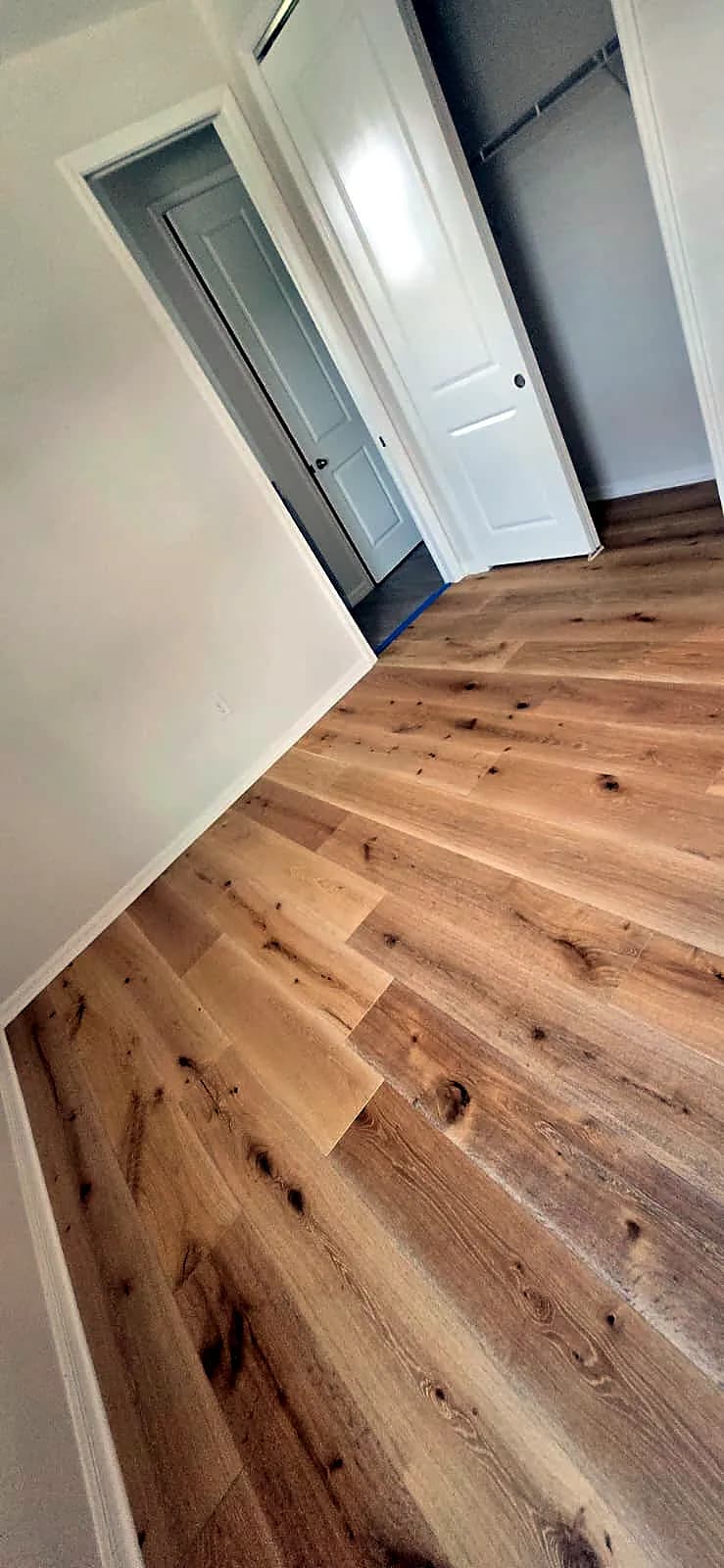
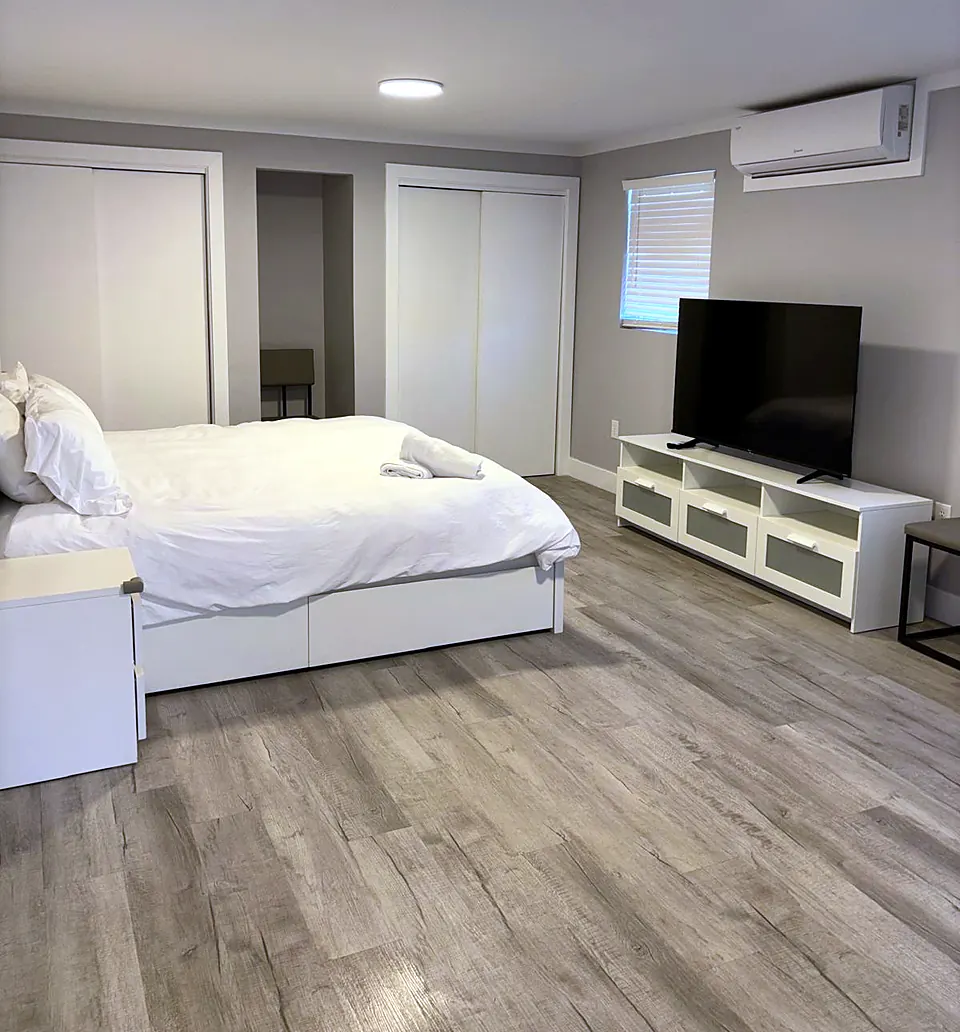
Bedroom with wide-plank oak-look flooring
Upstairs landing with oak-look plank flooring and white baseboards

One team, both jobs

Hardwood installation leaves behind sawdust and debris. Post-construction cleaning clears the whole space before anyone moves back in.

Post-Construction Cleaning

Hardwood Floor Installation: common questions

Engineered hardwood can be installed over a concrete slab with the right moisture barrier and underlayment, glued down or floated. Solid hardwood needs to be nailed into a wood subfloor, so it isn't installed directly over concrete.
Solid hardwood is one piece of wood through its full thickness and is nailed down. Engineered hardwood has a hardwood veneer over a layered core, which makes it more stable through humidity changes and allows glue-down or floating installation over concrete.
Boards are brought into the home ahead of the install so they can adjust to the room's temperature and humidity before being laid. The exact timeline depends on the product and the conditions on site, and gets confirmed as part of the estimate.
Often yes, especially with nail-down solid hardwood or when the new floor changes the finished height along the wall. New baseboards are refitted once the flooring is installed.
It depends on the condition and height of what's already down, along with what's underneath it. That gets assessed during the walkthrough before confirming solid or engineered hardwood as the right option.
Wood naturally expands and contracts with humidity changes through the year. Acclimating the material before installation, using a proper moisture barrier on slab installs, and choosing solid or engineered hardwood based on the subfloor all help the floor handle that movement over time.

Ready to talk about your hardwood floor installation?

Send a few details and we will get back to you with next steps for an estimate.

Call (407) 928-5710