MS Floors & Cleaning logo

Flooring Installation Greater Orlando, FL

Vinyl Plank (LVP) Flooring Installation in Orlando

Water-resistant plank flooring prepped and installed for kitchens, baths and rental turnovers.

  • Fully insured (liability)
  • Floors and cleaning, one team

Or call (407) 928-5710

Request an Estimate

Instant confirmation, no spam. We only use your info to send your estimate.

  • Fully insured (liability)

The short answer

What does vinyl plank (lvp) flooring installation include?

Vinyl plank (LVP) flooring installation in Orlando covers subfloor prep, leveling a concrete slab where needed, underlayment, and a click-lock or glue-down install. LVP is water-resistant, which makes it a common choice for kitchens, bathrooms and vacation rentals across Central Florida. Request an estimate to review your rooms and subfloor.

Luxury vinyl plank has become one of the most requested floors in Central Florida homes and rentals, and for good reason: it handles moisture, foot traffic and humidity swings better than most other options, without needing the same subfloor conditions as solid hardwood. That makes it a practical fit for kitchens, bathrooms, laundry rooms and entire rental units across Orlando, Kissimmee and the surrounding area.

MS Floors & Cleaning installs LVP starting with the subfloor itself: removing old flooring, testing and leveling a concrete slab where it needs it, and laying the right underlayment before the plank goes down. From there, installation runs as a click-lock floating floor or a glue-down system depending on the room and the product.

Because LVP is water-resistant rather than waterproof at the subfloor, prep still matters. A slab that isn't flat or isn't properly prepped will show through in a vinyl floor just like it would with any other material, so the leveling and moisture barrier work happens before installation, not after.
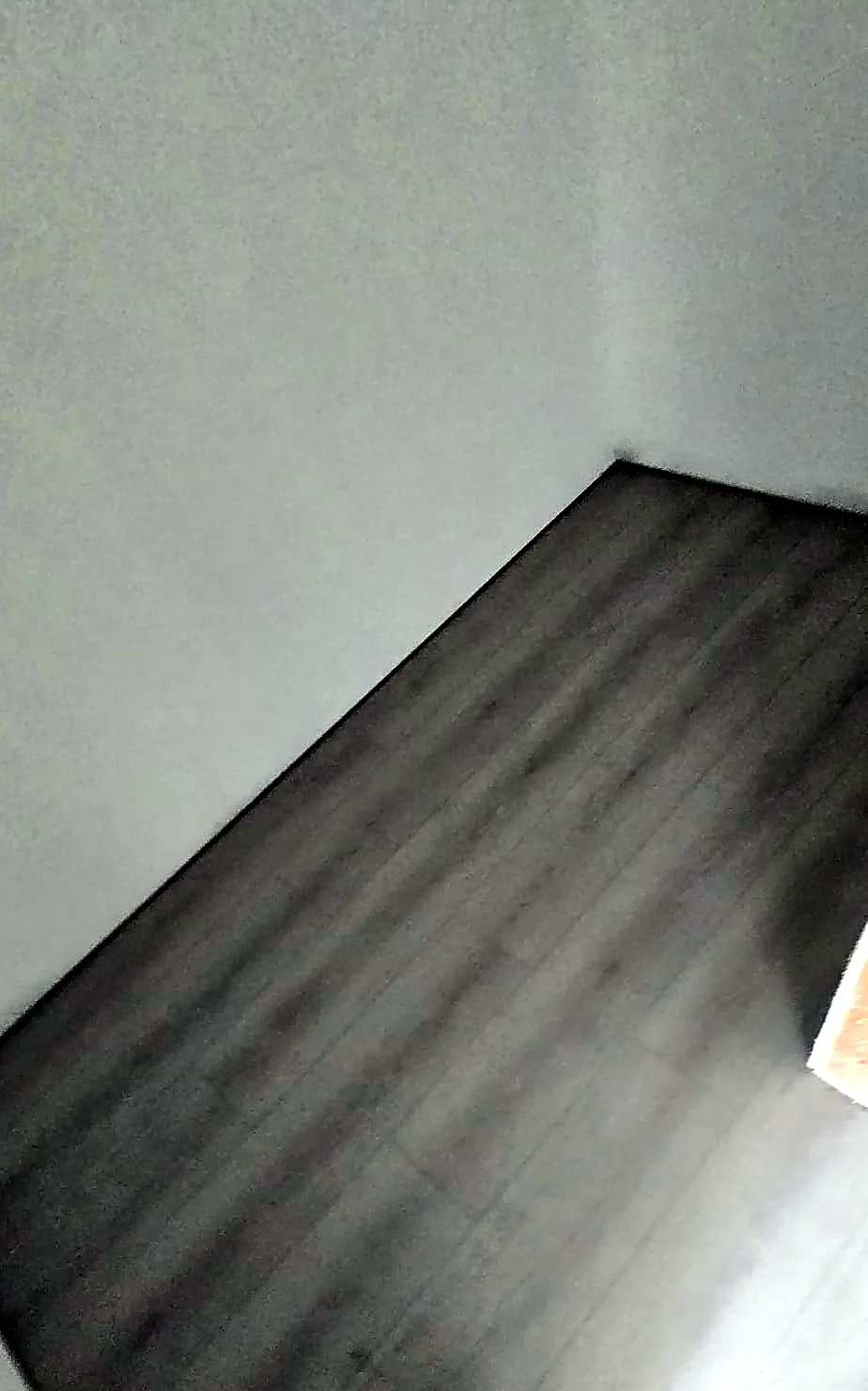
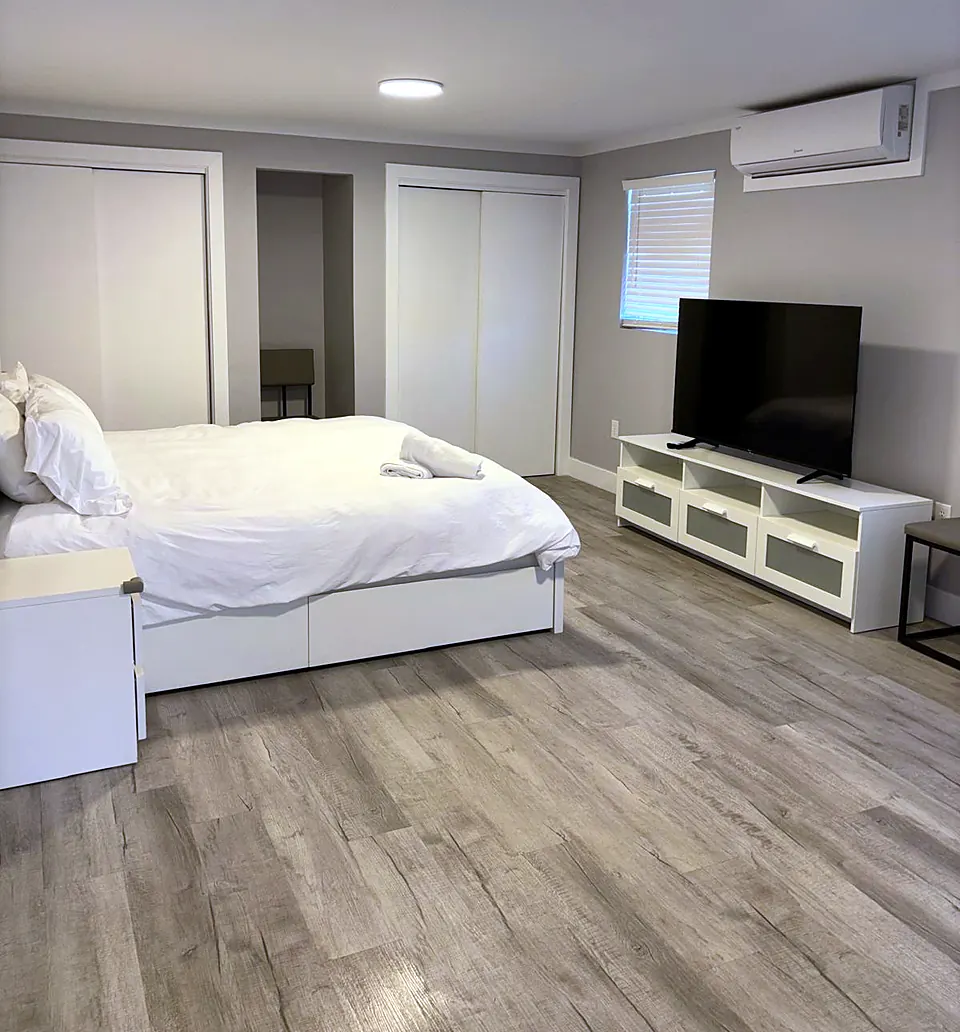
Bedroom with gray vinyl plank flooring

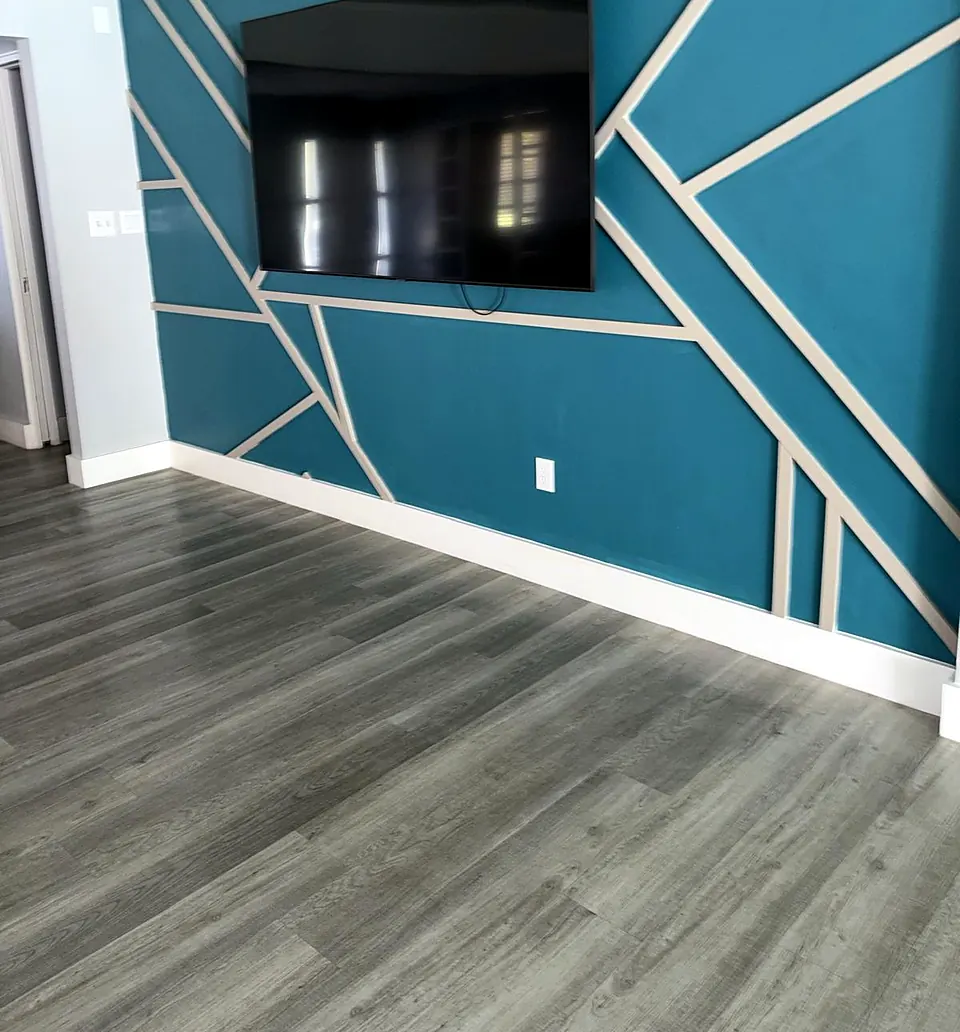
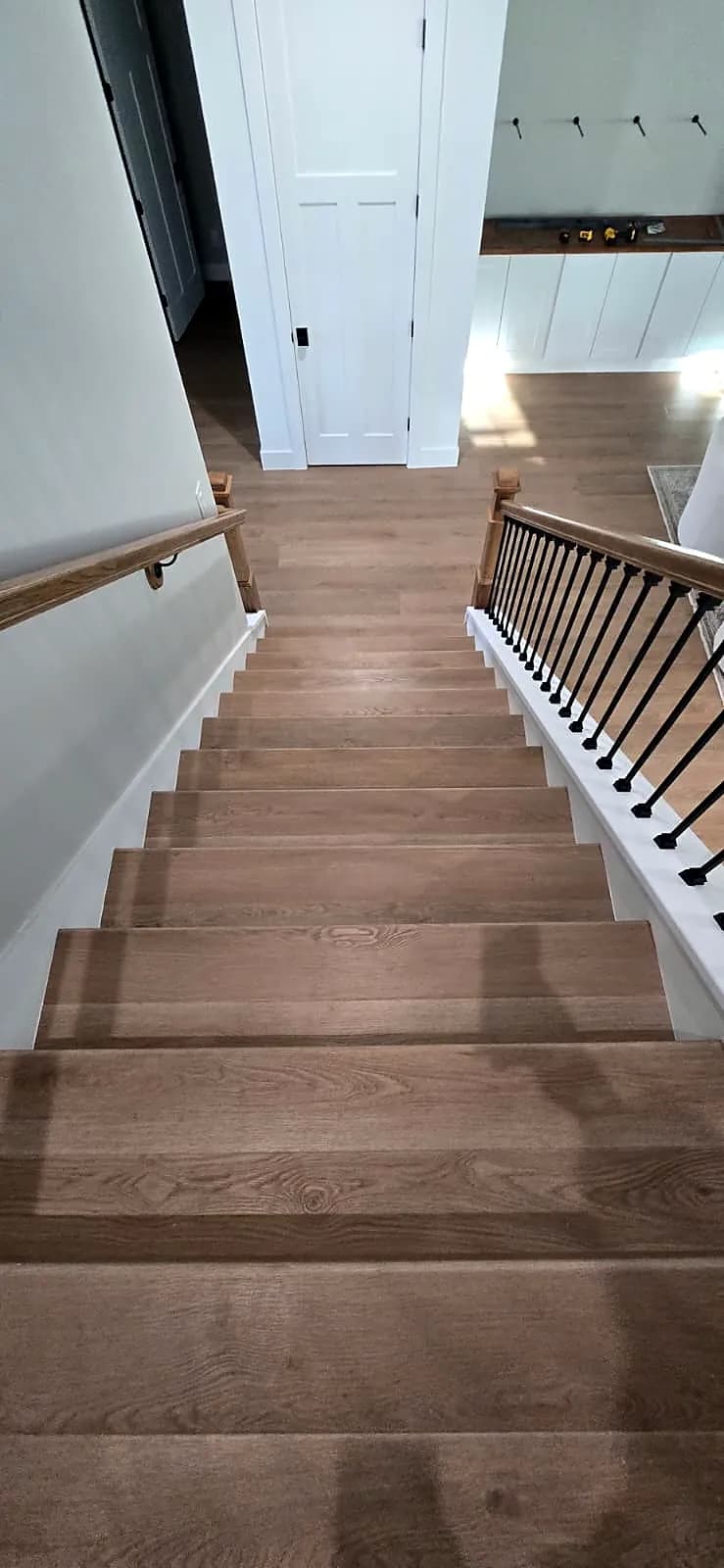
Real work from the MS Floors & Cleaning team.

What is included

Vinyl Plank (LVP) Flooring Installation, start to finish

Subfloor and slab prep

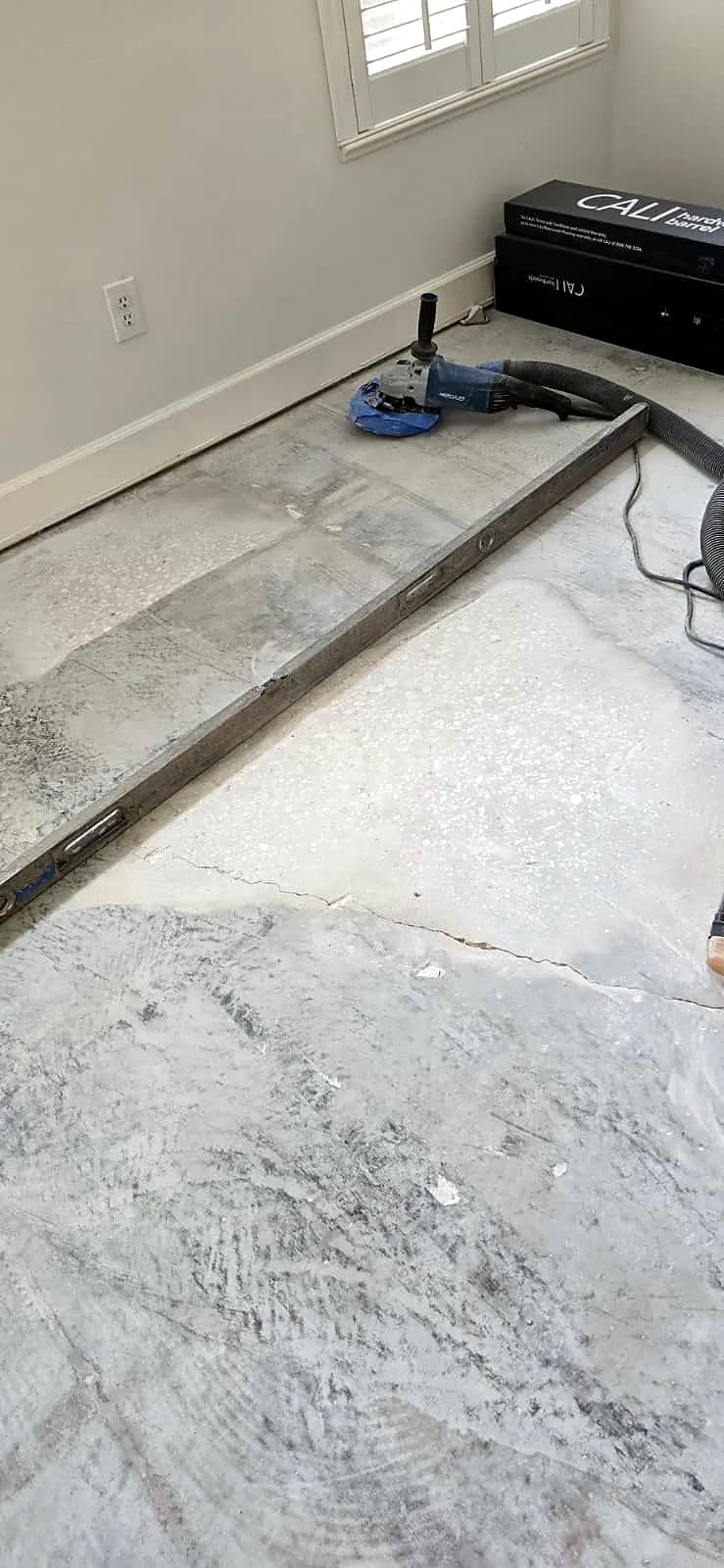
Old flooring removed, the concrete slab or subfloor inspected, and self-leveling compound applied where the surface isn't flat.

Moisture check on concrete slabs

Slab moisture is checked before installation, since it affects how the underlayment and plank should be laid down.

Underlayment matched to the product

The right underlayment goes down first, whether the plank is a floating click-lock system or a glue-down install.

Click-lock or glue-down installation

Plank is installed using the method the product is designed for, laid out to minimize seams in high-traffic areas.

Transitions between rooms

Transition strips and thresholds where LVP meets tile, carpet or another flooring type, keeping each room's edge clean.

Baseboard fit after installation

Baseboards are refitted to the new floor height once the plank is down, for a finished edge along every wall.

Flooring Installation

Water-resistant vinyl plank installed with full subfloor prep, from slab leveling to the last baseboard.

How it works

How our vinyl plank (lvp) flooring installation works

01

Walkthrough and room assessment

Existing flooring, subfloor condition and the amount of moisture exposure in each room are reviewed to confirm LVP is the right fit.

02

Remove and prep

Old flooring comes out, the slab or subfloor is tested and leveled with self-leveling compound where it's needed.

03

Underlayment and installation

Underlayment goes down first, then the plank is installed by click-lock or glue-down, depending on the product and room.

04

Transitions, baseboards and clean-up

Transition strips, thresholds and baseboards finish the job, and the space is cleared of offcuts and dust before it's handed back over.

Why LVP works for Florida kitchens, baths and rentals

LVP is built to handle water exposure far better than hardwood or laminate, which is exactly why it shows up so often in kitchens, bathrooms and laundry rooms. It also holds up well in vacation rentals and Airbnb units around Kissimmee and the Four Corners area, where turnover between guests means more foot traffic and more cleaning than a typical single-family home.

That water resistance applies to the plank itself, not automatically to everything underneath it. A subfloor or slab that's holding moisture still needs to be addressed before installation, which is why prep and moisture checks come first regardless of how water-resistant the finished product is.

Subfloor prep and leveling on a concrete slab

Most homes across Orlando, Winter Garden, Clermont and Ocoee sit on a concrete slab, and LVP needs that slab to be flat and properly prepped to lay correctly. Low spots or uneven sections get addressed with self-leveling compound before any underlayment goes down, since an uneven subfloor will eventually show through the plank as a soft spot or a visible dip.

New construction areas like Horizon West and Lake Nona tend to have a more consistent slab to start from, while older homes can need more leveling work depending on how the original floor was finished. Either way, the prep step happens before plank is ordered to the room, not worked around afterward.

Click-lock vs. glue-down installation

Click-lock LVP floats over the underlayment without being fixed to the subfloor, which makes it a common choice for standard rooms and is generally quicker to install. Glue-down LVP is adhered directly to the subfloor, which can hold up to more consistent heavy traffic and is sometimes used in commercial or high-use spaces.

Which method makes sense depends on the product chosen and the room it's going into, and that gets confirmed as part of the walkthrough before installation starts.

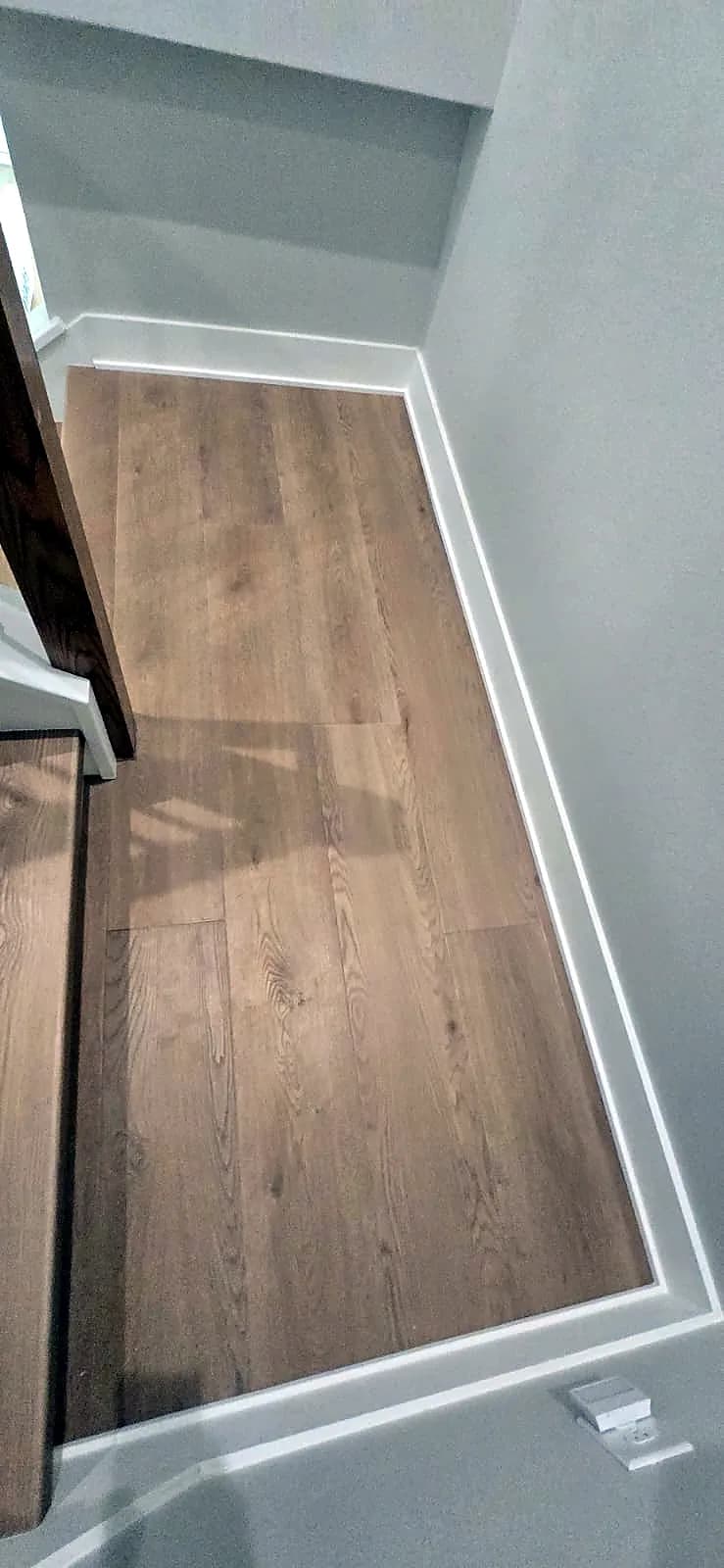
Bedroom with gray vinyl plank flooring
Self-leveling compound applied to a concrete subfloor during prep
Concrete subfloor prepared ahead of flooring installation

One team, both jobs

New LVP floors are easiest to enjoy in a freshly cleaned space. Move-in or move-out cleaning covers the rest of the home before or after installation.

Move-In / Move-Out Cleaning

Vinyl Plank (LVP) Flooring Installation: common questions

LVP itself is water-resistant and handles spills and moisture far better than hardwood or laminate, but the subfloor underneath still needs proper prep and a moisture check, especially over a concrete slab.
Yes. The slab is checked for moisture and leveled where needed with self-leveling compound, then underlayment goes down before the plank is installed by click-lock or glue-down.
Click-lock plank floats over the underlayment and isn't fixed to the subfloor, which is common in standard rooms. Glue-down plank is adhered directly to the subfloor, which suits spaces with more consistent heavy traffic.
It's a common choice for rentals because it holds up well to frequent turnover, foot traffic and cleaning between guests, and it handles moisture better than most other flooring types.
In most cases yes, so the subfloor or slab can be inspected and leveled properly before the new plank goes down. Leaving uneven material underneath can show through the finished floor.
Yes, LVP's water resistance makes it a frequent choice for bathrooms, laundry rooms and kitchens, as long as the subfloor is properly prepped first.

Ready to talk about your vinyl plank (lvp) flooring installation?

Send a few details and we will get back to you with next steps for an estimate.

Call (407) 928-5710